Hackney Council rules for funeral flower displays and permits
Posted on 06/10/2026
Hackney Council rules for funeral flower displays and permits: a practical guide for families, florists, and funeral organisers
Planning funeral flowers is one of those jobs that sounds simple until you're actually doing it. You're trying to honour someone properly, keep things respectful, and make sure nothing gets in the way of the venue, the hearse, the pavement, or the people coming to say goodbye. That is where understanding Hackney Council rules for funeral flower displays and permits becomes useful. If you are arranging wreaths, tribute lettering, casket sprays, roadside displays, or flowers near a cemetery, chapel, crematorium, or public space in Hackney, a little clarity goes a long way.
This guide explains the practical side: when permits may be needed, what local restrictions can affect your display, how to avoid awkward last-minute problems, and how to plan a tribute that feels dignified rather than overcomplicated. Truth be told, most families do not need a law degree for this. They need straight answers, a calm checklist, and a sense of what to ask before the day arrives.
Along the way, we'll cover common scenarios, sensible best practice, and a few real-world planning tips that help funeral flowers arrive where they should, when they should, looking right. Because let's face it, on a day like that, the last thing anyone wants is a blocked entrance or a display turned away at the gate.
- Why Hackney Council rules matter
- How the rules and permits usually work
- Key benefits and practical advantages
- Who needs this guidance
- Step-by-step planning guidance
- Expert tips for smoother arrangements
- Common mistakes to avoid
- Tools, resources and recommendations
- Law, compliance and best practice
- Options and comparison table
- Case study example
- Practical checklist
- Conclusion
- Frequently asked questions
Why Hackney Council rules for funeral flower displays and permits Matters
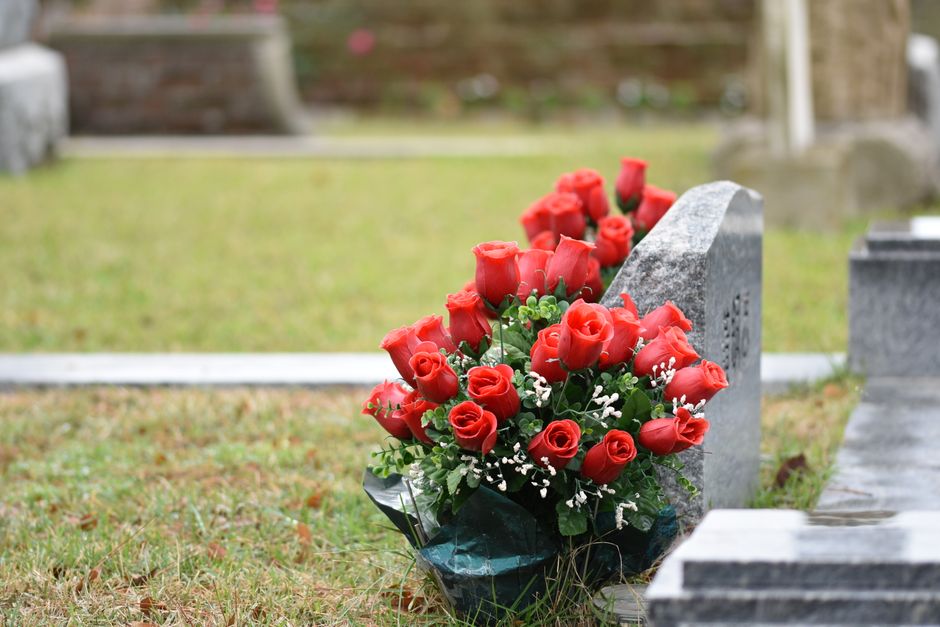
Funeral flowers are not just decoration. They are part of the farewell. In Hackney, as in most parts of London, the place where flowers are displayed can matter just as much as the flowers themselves. A display that works beautifully inside a chapel might not be suitable on a public pavement, in a restricted cemetery area, or near an access route used by staff, mourners, or emergency services.
Hackney Council rules matter because they help keep public spaces safe, respectful, and usable. That may sound a bit dry, but it is actually the reason funeral arrangements run smoothly. If flowers are placed without checking the setting, you can end up with blocked pathways, damage to landscaping, conflict with venue staff, or a request to move everything at the last minute. Nobody wants that on the day.
There is also a dignity issue. Funeral flowers work best when they are positioned intentionally. A single wreath at the entrance can feel powerful. A neat row of tributes can guide visitors in a respectful way. A large arrangement jammed into a narrow area, on the other hand, can feel chaotic. The rules help prevent that.
For families, florists, and funeral directors, the bigger benefit is confidence. When you know what to ask about permits, access, and placement, you can focus on the tribute itself rather than worrying about whether something has been missed.
Key point: The main job of local rules is not to make funeral flowers difficult. It is to make sure tributes are respectful, safe, and allowed in the exact place they are being used.
How Hackney Council rules for funeral flower displays and permits Works
The exact requirements depend on where the flowers will go. That is the first thing to understand. There is usually a big difference between a flower arrangement inside private funeral premises and one placed in a public or managed outdoor space. If the display is in a venue, cemetery, crematorium grounds, or public highway area, different permissions or limitations may apply.
In practical terms, you will usually be dealing with one of these situations:
- Private indoor display such as a chapel or funeral home, where the venue sets its own rules.
- Managed cemetery or crematorium area, where the site operator may control where tributes can be placed.
- Public pavement or roadside display, which may need permission if it affects pedestrians, traffic, or street furniture.
- Temporary floral tribute area, where the council or venue may have a specific arrangement zone.
Permits, where needed, are generally about temporary use of space. They are not usually about the flowers themselves. The council or site manager may want to know the size of the display, how long it will remain, whether it will obstruct access, and who is responsible for placing and removing it. That is the sort of detail that matters.
To be fair, many funeral flower arrangements never need a formal permit because they are placed within a funeral venue's own approved area. But if you are planning a larger public tribute, a roadside set-up, or anything that sits outside standard venue boundaries, checking first is the smart move.
And here is the bit people sometimes miss: even when a permit is not required, the council or site operator can still set conditions. So "no permit" does not always mean "no rules".
Key Benefits and Practical Advantages
Following the right process brings very real advantages, especially when emotions are already running high. It sounds obvious, but grief makes admin harder. Anything that reduces uncertainty is worth having.
- Less stress on the day because the display is less likely to be challenged or moved.
- Better presentation because flowers can be planned for the space rather than squeezed into it.
- Safer access for mourners, staff, and vehicles.
- Cleaner coordination between florist, family, and funeral director.
- Reduced waste because you know exactly what size and style suits the setting.
There is also a quieter benefit: the tribute feels more intentional. A well-placed heart tribute, wreath, or casket spray can create a gentle focal point without shouting for attention. In a busy London setting, that matters. People notice calm, tidy arrangements. They just do.
For florists and organisers, proper planning also makes delivery easier. If you are using funeral flowers in Stoke Newington or arranging a tribute to travel across the area, knowing the time window and placement rules helps keep the handover smooth. No hovering by the gate, no panicked phone calls, no awkward waiting in the rain.
Who This Is For and When It Makes Sense
This guidance is useful for quite a few people, not just one type of organiser. If you are involved in a funeral in Hackney, the chances are you will benefit from checking the rules early.
- Family members arranging a personal tribute for a loved one.
- Funeral directors coordinating a service, procession, or graveside arrangement.
- Florists delivering sprays, wreaths, or lettering tributes to a venue or site.
- Venue managers who need to understand what can be accepted and where.
- Religious or community organisers supporting a memorial or remembrance gathering.
It makes sense to check the rules whenever a display is:
- larger than a standard wreath or posy
- going outside, near a public entrance, or beside a roadway
- being left in place for more than a short period
- part of a procession, memorial, or vigil
- placed in a managed area with its own access restrictions
If you're wondering whether this applies to your situation, a useful test is simple: if the flowers could affect access, safety, or responsibility for removal, it is worth asking first. That one question saves a lot of guesswork.
Step-by-Step Guidance
Here is a practical way to handle funeral flower displays in Hackney without turning the process into a headache. Nice and steady. One step at a time.
1. Identify the exact location
Start by confirming where the flowers will be displayed: inside the chapel, at the graveside, in a crematorium garden, on a pavement edge, or at a memorial point. The location drives everything else.
2. Ask who controls that space
It may be the council, the cemetery operator, the crematorium, the church, the funeral director, or a private venue. Each one may have its own rules. Do not assume the same approach applies everywhere. That is where mistakes creep in.
3. Check whether a permit is needed
If the display uses public space, may affect pedestrians, or includes anything larger than a standard tribute, ask about permission requirements. A permit may be required, or written approval may be enough. Sometimes the answer is simply a set of conditions rather than a full permit process.
4. Confirm size, shape, and duration
Ask whether there are limits on size, how close the display may sit to an entrance, and how long it can remain in place. Funeral flowers often need to be removed after the service or within a set period after the burial or cremation.
5. Match the tribute to the setting
A large casket spray is not the same as a compact sympathy arrangement. A wreath may suit one setting, while a spray or tribute may suit another. If the tribute will be seen from a distance, simpler shapes often read better. If it will be viewed close-up, personal lettering or tailored details may matter more.
6. Confirm delivery timing
Delivery time matters more than people expect. Too early and the flowers may be stored awkwardly; too late and the service has already started. Aim for a clear window and make sure someone is available to receive them.
7. Decide who removes the flowers
It sounds mundane, but this one saves confusion later. Will the florist collect? Will the family take them home? Will the venue dispose of them after a certain period? Agree it in advance, and write it down if needed.
8. Keep a record of approvals
If permission has been given by phone, follow up with an email or message if possible. A short written note can prevent mixed messages later. Not glamorous, admittedly, but very useful.
Expert Tips for Better Results
Small decisions make a big difference with funeral flowers. The best-looking displays are usually the ones that are planned around the space rather than designed in isolation.
Think about traffic flow first. If guests have to pass close to the tribute, keep the arrangement stable and low enough not to catch coats or bags. A high, loose arrangement can look lovely in a shop window and still be a nuisance at a busy entrance.
Use the setting to guide style. Indoor services often suit refined arrangements with soft colour transitions, while graveside tributes can handle slightly stronger forms and weather-resistant flowers. White, cream, and green remain popular because they feel calm and respectful, but they are not the only right answer.
Choose flowers that hold up well. If the tribute will be outside or transported across London, sturdier blooms and good conditioning matter. On a windy morning, delicate petals can look tired much faster than expected. Anyone who has tried to keep lilies pristine on a breezy roadside will know the feeling.
Label tributes clearly. If several arrangements are being delivered, clear naming avoids mix-ups. A simple written card is enough. This is especially useful when there are multiple families, floral tributes from colleagues, or community arrangements arriving at the same venue.
Coordinate with the funeral director. They often know the site's routines, who to speak to, and what time the entrance opens. That local knowledge can be worth more than any checklist.
Ask about weather and surface conditions. Wet grass, stone steps, or narrow paving can affect where a display can safely sit. A tribute stand or weighted base may be more suitable than a loose arrangement if the ground is uneven.
One slightly old-fashioned truth: the simplest option is often the safest. And at a funeral, safe and simple can still be deeply beautiful.
Common Mistakes to Avoid
Most problems with funeral flower displays come from assumptions. People assume the venue will manage everything. Or they assume public space is fine because it is only for a short time. Or they assume the florist already knows the local rules. Sometimes they do. Sometimes they really don't.
- Leaving permit checks until the day before. This is the classic one, and it causes avoidable stress.
- Choosing a display that is too large for the space. Gorgeous online, awkward in real life.
- Not confirming removal responsibilities. A tribute should not become a surprise clean-up task.
- Ignoring access routes. Wheelchairs, hearses, staff trolleys, and mourners all need room.
- Using fragile flowers outdoors without backup. They may not hold up to wind, sun, or rain.
- Forgetting the venue's own rules. Even where Hackney Council is not directly involved, the site operator may still say no to certain placements.
Another common issue is overcomplicating the tribute. Sometimes families feel they need something elaborate to show love. They do not. A small, well-chosen wreath or posy can carry just as much meaning as a larger arrangement. Honestly, flowers are funny like that. They can say a huge amount without making a fuss.
Tools, Resources and Recommendations
You do not need specialist software or a mountain of paperwork to manage funeral flower permissions, but a few simple tools help a lot.
- A written timeline showing ordering, delivery, service time, and collection time.
- A simple site sketch if the display is being placed outdoors or in a shared area.
- Photos or reference images for the florist so the tribute matches the intended scale.
- Contact details for the venue manager or funeral director in case plans change.
- A backup indoor or sheltered placement if weather may affect an outdoor tribute.
If you are choosing flowers and want to keep the process straightforward, browsing a focused range can help. For example, a dedicated funeral flowers collection or a softer sympathy flowers selection makes it easier to compare wreaths, sprays, baskets, and tribute styles without getting lost in endless options. That matters when time is tight and emotions are high.
For delivery planning, it also helps to review the florist's policies on timing, handover, and substitutions. If you need a broader overview, the site's delivery information and returns and refund policy can be useful background reading before you place an order.
Law, Compliance, Standards, or Best Practice
Because this topic touches public space and funeral arrangements, it is wise to treat it as a compliance-sensitive matter even when the rules are fairly simple. The exact legal position depends on the location and the type of display, so this article avoids pretending there is one single rule that covers every case.
As a general principle, funeral flower displays should not obstruct public access, create a hazard, or ignore instructions from the site manager. That applies whether you are dealing with council-managed land, a cemetery, or a private venue with its own restrictions. If a permit is needed, obtain it before installation. If written approval is required, keep a copy. If there are conditions about size, timing, or removal, follow them carefully.
Best practice in the UK funeral sector usually means:
- checking permission before placing anything in shared or public space
- keeping pathways, entrances, and emergency access clear
- using stable mechanics for outdoor arrangements
- labelling tributes and deliveries clearly
- agreeing who removes the flowers and when
- respecting venue-specific traditions and house rules
If you are unsure, ask the funeral director or the venue operator before you finalise the design. That is not being overly cautious. It is just good planning.
Options, Methods, or Comparison Table
Different funeral flower display options suit different spaces. Here is a straightforward comparison that may help you decide what fits best.
| Option | Best for | Permission risk | Practical notes |
|---|---|---|---|
| Wreath | Indoor services, graveside tributes, formal remembrance | Low in approved venues, higher if placed in public space | Compact, respectful, easy to position |
| Spray | Coffin tributes, chapel displays, crematorium services | Usually low within venue rules | Can be designed for casket top or display stand |
| Posy or basket | Smaller family tributes, sympathy gestures, limited space | Very low | Good where access is tight or simple handling matters |
| Lettering or shaped tributes | Personal memorials and family-led statements | Medium, depending on size and location | Needs clear space and earlier approval if outdoors |
| Public floral display | Memorial gatherings, roadside remembrance, community tributes | Highest | Most likely to need permission and strict placement guidance |
If you want the least complicated route, choose an arrangement that fits within the venue's normal acceptance area. If you need something more visible or personal, allow extra time for approval. Simple, but true.
Case Study or Real-World Example
A family in Hackney wanted to place a large floral tribute near the entrance of a service venue so guests would see it as they arrived. On paper, it seemed straightforward: the tribute was temporary, respectful, and close to the service time. In practice, the entrance was also used by staff, late arrivals, and a wheelchair user in the congregation. The first layout would have narrowed the space too much.
After checking with the venue manager, the florist adjusted the plan. The display was moved slightly inward, reduced in width, and paired with two smaller side pieces rather than one oversized arrangement. No drama. No arguments. The tribute still looked beautiful, and the entrance stayed clear.
That kind of change happens more often than people think. The original idea is not "wrong"; it just needs adapting to the site. A good florist and a cooperative venue can usually find a version that keeps the meaning while improving the fit. And that is really the point.
If the family had been arranging a broader remembrance display, they might also have chosen a more compact tribute from the tributes range or a formal white roses service arrangement to suit the setting. Small design shifts can make a big difference.
Practical Checklist
Use this checklist before you finalise funeral flowers in Hackney. It is a simple one, but very useful.
- Confirm the exact venue or location for the display.
- Ask who controls the space and who gives permission.
- Check whether a permit or written approval is needed.
- Confirm the maximum size and placement area.
- Check the time window for delivery and installation.
- Ask who is responsible for removing the flowers afterwards.
- Make sure the tribute suits indoor or outdoor conditions.
- Label the order clearly with the deceased's name and service time.
- Keep a record of any approval, instructions, or site notes.
- Have the florist and funeral director on the same page.
Quick reminder: if anything about the display could affect access, safety, or site management, check first. That one habit prevents most problems.
Get a free quote today and see how much you can save.
Conclusion
Hackney Council rules for funeral flower displays and permits are really about making sure a tribute fits the place as well as the moment. Once you understand who controls the space, whether permission is needed, and how long the display can remain, the whole process becomes much easier to manage. Less guessing. Less stress. More focus on the person being remembered.
The best funeral flower arrangements are the ones that feel thoughtful, calm, and appropriate to the setting. That might mean a full wreath, a simple posy, a casket spray, or a more personal tribute with lettering or symbolic flowers. What matters is that the arrangement is respected by the venue, practical for the day, and true to the farewell you want to give.
If you are still deciding, keep it simple, ask the right questions, and give yourself enough time. That alone solves a surprising amount. And in moments like these, a little clarity is a kindness.
Frequently Asked Questions
Do I need a permit for funeral flowers in Hackney?
Not always. It depends on where the flowers will be displayed. A tribute inside a private funeral venue or within a managed funeral space may not need a permit, but anything in public space or affecting access may require permission.
Who should I ask first about funeral flower rules?
Start with the funeral director or the venue manager. They usually know whether the council, cemetery, crematorium, or church has specific rules and can tell you who controls the space.
Can I place funeral flowers on a pavement or roadside?
Possibly, but this is the kind of arrangement that needs checking first. Public pavements and roadside areas can involve access, safety, and traffic concerns, so it is best to confirm permission before placing anything there.
How far in advance should I organise funeral flower displays?
As early as possible, ideally once the service date is known. Even a few extra days can help if a permit or approval is needed, or if the tribute needs to be adjusted for the location.
What happens if my flowers are too large for the venue?
The venue or site manager may ask for them to be moved, resized, or placed somewhere else. It is much easier to adjust the design in advance than on the day, so check the scale before ordering.
Are wreaths better than sprays for funeral displays?
Neither is universally better. Wreaths are often compact and easy to position, while sprays suit coffin tributes and chapel settings. The right choice depends on where the flowers will be seen and how they will be used.
Can the council refuse a funeral flower display?
If the display is in a controlled public or managed space, yes, it may be refused or restricted if it creates a safety issue, blocks access, or does not fit local conditions. That is why checking in advance matters.
Who removes the flowers after the funeral?
That should be agreed beforehand. Sometimes the family takes them home, sometimes the florist collects them, and sometimes the venue has its own collection or disposal policy. Never assume.
What flowers work best for outdoor funeral displays?
Sturdier flowers and well-constructed arrangements tend to perform better outdoors. The exact choice depends on weather, season, and how long the display will remain in place. A florist can guide you here.
Can I personalise funeral flowers with lettering or symbols?
Yes, often you can. Personalised tributes are common and can be very meaningful. Just remember that larger or more unusual designs may need more space and may be more likely to need approval in certain locations.
What if I'm not sure whether my display needs permission?
Ask before ordering. That is the safest route. If the display is going anywhere near public space, shared access, or a managed site entrance, a quick check can prevent a lot of trouble later.
Is it better to choose a simpler funeral arrangement if time is short?
Often, yes. A simple wreath, posy, or spray is easier to deliver, place, and approve. Simpler does not mean less meaningful. In many cases, it means more graceful and more practical.