Exploring 7 Little-Known Facts About the World of Tulips
Posted on 25/06/2025
Exploring 7 Little-Known Facts About the World of Tulips
The vivid beauty of tulips has captivated artists, gardeners, and flower lovers for centuries. Many associate these delightful blooms with springtime, elegance, and even romance. However, the world of tulips is more intricate and fascinating than just their vibrant appearance. In this in-depth article, we'll uncover 7 little-known facts about tulips that will make you appreciate these botanical wonders even more. Whether you're a seasoned horticulturist, a casual gardener, or an enthusiastic floral aficionado, these unique insights into the world of tulips are sure to intrigue and inspire.
What Makes Tulips So Special?
Tulips belong to the Liliaceae family and are native to Central Asia. Over hundreds of years, they have made their way into gardens, art, and cultures all around the globe. Famously associated with the Netherlands, these bulbs have a history filled with fascinating stories--from financial crazes to international diplomacy. Before diving into our list of seven lesser-known facts, it's important to understand the basic appeal of tulips:
- Diverse colors and shapes: Tulips come in nearly every color except true blue and display a multitude of petal shapes.
- Easy to grow: These flowers are a favorite among beginner and expert gardeners alike.
- Historic value: Tulips have impacted art, economies, and even politics throughout history.
Seven Surprising Tulip Facts You (Probably) Didn't Know
Let's embark on our journey through seven hidden facets of the tulip world that often go unnoticed.
1. Tulips Originated Far From the Netherlands
While most people instantly associate tulips with the rolling fields of the Netherlands, the origin story of tulips begins in the mountains of Central Asia. It is believed that wild tulips flourished in regions of Kazakhstan, Iran, Afghanistan, and the surrounding territories.
- Nomadic tribes discovered tulips in their native habitats and began cultivating them as early as the 10th century.
- By the 16th century, tulips had made their way to the Ottoman Empire's royal gardens in modern-day Turkey, where they were prized for their unique beauty.
- "Tulip" comes from the Turkish word for "turban," due to the flower's similarity to the traditional headwear.
It wasn't until the late 1500s that tulips were introduced to the Netherlands, where their perception and cultivation truly flourished.
2. Tulip Mania: The World's First Economic Bubble
One of the most spectacular episodes in economic history is famously tied to the world of tulips. In the early 17th century, the Netherlands experienced "Tulip Mania," an extraordinary period during which tulip bulbs became the center of a speculative market frenzy.
- Rare tulip varieties fetched prices higher than the average person's yearly wage.
- The peak occurred in the winter of 1636-1637, with some single bulbs reportedly valued at several times the cost of a house!
- When the bubble burst, fortunes were lost, and the Dutch economy faced significant repercussions.
Tulip Mania is now regarded as the first recorded financial bubble, illustrating both the unpredictable allure of exotic goods and the unexpected influence of tulips on economic systems.
3. There Are Over 3,000 Registered Tulip Varieties
If you think a tulip is just a tulip, think again! There are more than 3,000 officially recognized tulip varieties spread across fifteen classification groups. These tulip types differ in:
- Color
- Shape
- Size
- Blooming season
- Petal texture and pattern
Some of the most astonishing variations you might encounter include the "Parrot" tulip with its feathered petals, the "Rembrandt" tulip marked by vivid streaks, and the petite "Wild" tulip species more akin to their Central Asian ancestors.
The diverse tulip world continues to grow as breeders work tirelessly to introduce new colors, patterns, and resilient varieties for gardens worldwide.
4. Tulips Can Be Eaten (But With Caution!)
Surprisingly, tulip petals are edible. During World War II, particularly in the famed Hunger Winter of 1944-45, desperate Dutch citizens resorted to eating tulip bulbs as food supplies ran out. While not particularly tasty, consuming tulip bulbs helped many survive difficult times.
- Tulip petals are sometimes used as garnishes in salads or desserts.
- Some describe the flavor as slightly crunchy and reminiscent of lettuce or peas.
- Tulip bulbs, however, must be prepared carefully, as parts can be toxic to humans and animals if consumed raw or in large quantities.
If you're curious, make sure to research safety tips or consult an expert before adding tulip parts to your culinary creations!
5. Unique Role in Art and Culture
Tulips have been immortalized in art, poetry, and folklore throughout history. Their unique form and striking colors have inspired works across many cultures.
- Ottoman miniature paintings often included tulips as symbols of paradise and wealth.
- During the "Tulip Era" (early 18th century) in Turkey, the flower became a symbol of luxury, and festivals were held to celebrate its beauty.
- Dutch Masters such as Jan Brueghel and Rembrandt famously featured tulip blooms in their floral still lifes to showcase painterly skill and the flower's social status.
The tulip continues to be a muse for designers, decorators, and artists who draw on its timeless elegance and historical meaning.
6. They Don't Always Stand Tall--The Science of Tulip Movement
Did you know that tulips exhibit a behavior called "phototropism"? This means the flowers actively grow and bend toward light sources, even after being cut!
Key points about tulip movement include:
- Cut tulips can continue to elongate in vases. You may find a well-arranged bouquet subtly shifting shape as stems curve and flowers reach for light.
- The stems and petals can open and close in response to temperature and daily light cycles--a phenomenon called "nyctinasty."
This living, reactive nature is part of what makes displays of tulips so dynamic and engaging, whether in gardens or bouquets.
7. Symbolism and Hidden Messages
Tulips have long been associated with meanings that go far beyond their superficial charm. Across different societies and historical periods, tulips have stood for:
- Love and passion: Especially the red tulip, which denotes deep emotional bonds.
- Perfect or enduring love: Thanks to their classic shape and eternal appeal.
- Charity and prosperity: Particularly in Middle Eastern cultures, where tulips represent abundance and spiritual fulfillment.
- Forgiveness and renewal: Some colors, such as yellow, have been associated with new beginnings or making amends.
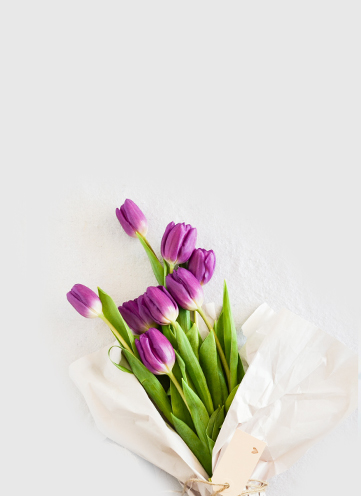
Gifting tulips can be laden with symbolism--from a declaration of affection to a wish for happiness or prosperity.
How Tulips Shaped Gardens and Societies Globally
Beyond these seven fascinating facts, the impact of tulips reaches into the landscapes of numerous countries. Today, tulips are the national flower of Turkey and Iran and remain a symbol of the Netherlands, where they generate significant tourism and horticultural commerce each year.
- The Dutch flower industry exports billions of tulip bulbs annually, making the country the epicenter of global tulip commerce.
- Events like the Keukenhof Tulip Festival attract visitors from all continents, eager to witness over 7 million blooms in one breathtaking park.
- Tulip fields have become sought-after destinations for iconic photographs and travel experiences.
In public spaces and home gardens worldwide, tulips signal the arrival of spring and enliven both rural and urban environments with their brilliant hues.
Tips for Growing Your Own Tulips
Feeling inspired to plant your own tulip bulbs? Here are some top tips for success:
- Plant bulbs in the fall: This allows them to establish roots before winter dormancy and ensures a vibrant spring bloom.
- Choose a sunny spot: Tulips thrive where they receive at least 6 hours of direct sunlight per day.
- Well-drained soil is essential: Bulbs can rot in waterlogged earth, so amending heavy soils improves results.
- Group bulbs together: For the most dramatic display, plant bulbs in clusters rather than straight lines.
- Protect from pests: Squirrels and deer can be a challenge; try netting or natural deterrents to safeguard your bulbs.
With proper care, garden tulips can provide an explosion of color and a connection to centuries of history and symbolism.
Conclusion: The Enduring Allure of the Tulip World
*From mountain slopes in Central Asia to manicured Dutch fields, the journey of the tulip has been anything but ordinary.* These *7 little-known facts about tulips* open a window into a flower that is as historically rich as it is visually stunning. Whether enchanting royal courts, shaping economies, or adding joy to modern gardens, tulips continue to thrive at the crossroads of nature, culture, and human ingenuity.
Next time you encounter a tulip field--or simply spot a bouquet at your local market--remember the secrets these blooms carry. Plant a tulip bulb in your garden, and you'll be taking part in a global story centuries in the making.
Explore the world of tulips yourself and uncover your own discoveries about these extraordinary flowers!