Expert Tips for Cut Flower Care
Posted on 01/06/2025
Expert Tips for Cut Flower Care
Caring for cut flowers goes far beyond simply placing them in a vase with water. Whether you've received a stunning bouquet, arranged an artistic centerpiece, or want to prolong the life of homegrown blossoms, understanding the intricacies of cut flower maintenance can greatly enhance both the beauty and lifespan of your flowers. This comprehensive guide collects the most effective, expert-backed tips and secrets for maximizing flower freshness and keeping your cut blooms vibrant for as long as possible.
Why Proper Cut Flower Care Matters
Fresh flowers bring life, color, and vitality into our living spaces. However, without the right care, even the most stunning arrangements can wilt within days. Proper cut flower care isn't just about appearance; it's about enjoying your flowers at their best for as long as possible. By following a series of proven steps, you can extend bloom longevity, reduce waste, and enjoy a fresher, more fragrant home.
Key Benefits of Expert Flower Maintenance
- Prolongs the lifespan of bouquets and arrangements
- Maintains vibrant colors and fresh appearance
- Reduces bacterial growth in water
- Prevents petal and stem drooping
- Enhances fragrance and overall enjoyment

Choosing the Freshest Flowers
Effective cut flower care begins with selecting the best blooms. No amount of clever technique can fully revive flowers that were old or poorly handled prior to purchase. Consider these tips when choosing your next bouquet:
- Check the petals: Look for firm, well-colored petals that are free from bruises, drooping, or wilting. Avoid flowers with discolored or transparent edges.
- Inspect the stems: Seek out sturdy, green stems that aren't slimy or mushy.
- Look at buds: Tightly closed buds indicate freshness and will open gradually at home, increasing vase life.
- Ask about sourcing: Locally grown and freshly cut blooms will last longer than flowers shipped long distances.
Preparing Flowers for the Vase
The Essential First Steps
Once you've picked the freshest blooms, prepping your flowers is an important step for longevity. A few minutes of mindful preparation can double or even triple the life of your bouquet.
- Trim the stems: Using a sharp knife or scissors, cut 1-2 inches off each stem at a 45-degree angle. An angled cut increases surface area, allowing more water uptake. Update the angle with every water change.
- Remove lower leaves: Strip away all foliage below the waterline. This prevents leaves from rotting, reducing bacteria and keeping water clearer for longer.
- Provide a clean vase: Cleanliness is vital! Sterilize your vase with hot soapy water or a water-bleach solution to remove any previous bacteria.
- Use lukewarm water: Most flowers hydrate best in tepid water, which encourages cells to open and absorb moisture efficiently.
Making the Perfect Flower Food Solution
Flower food is a game-changer in extending the vase life of most cut flowers. Commercial packets--often included with the purchase--contain an ideal blend of sugars, acids, and antibacterial agents. But what if you run out? Here's how to make your own:
DIY Flower Food Recipe
- 1 quart of lukewarm water
- 2 tablespoons fresh lemon juice
- 1 tablespoon sugar
- 1/2 teaspoon bleach
Mix these ingredients and pour into the vase before arranging your flowers. The sugar feeds the blooms, lemon juice acidifies the water to promote water uptake, and bleach inhibits bacterial growth.
Daily Flower Care Fundamentals
Maintain Your Arrangement
After the initial setup, keeping your cut flowers in top form requires a few simple daily habits:
- Change the water every 1-2 days: Fresh water keeps bacteria at bay and helps flowers stay perky.
- Re-cut stems: Every two days, take flowers out and trim another half-inch off the stems at an angle. This removes tissue that's sealed from water uptake and refreshes the cut.
- Remove wilting flowers: As soon as you see a stem turning brown or drooping, remove it. This prevents bacteria from spreading to healthy flowers.
- Wipe the vase rim: Keeping the top edge clean reduces mold and bacteria.
Best Location for Your Flower Display
Where you place your bouquet is just as important as how you care for it. Location can extend or shorten your vase life dramatically.
- Keep flowers cool: Most cut blooms last longer in cooler temperatures. Aim for a spot away from direct sunlight, radiators, and heat vents.
- Avoid fruit bowls: Ripening fruits emit ethylene gas, which speeds up flower aging.
- Protect from drafts: Steady air currents can dehydrate petals and stems quickly.
- Shield from appliances: Appliances like TVs or electronics give off heat even when switched off, stressing your flowers.
Specific Varieties: Tailored Cut Flower Care Tips
No two cut flower species are exactly alike! Understanding the unique needs of your favorite blooms can make a big difference in their longevity.
Roses
- Remove all but the top leaves and be sure to cut under running water to prevent air bubbles in stems.
- If roses droop, rehydrate by trimming an additional 2 inches off stems and submerging fully in warm water for 60 minutes.
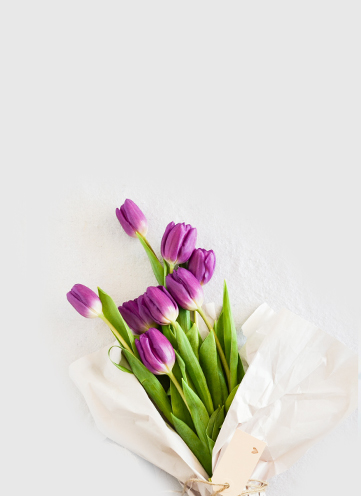
Tulips
- Tulips continue to grow in the vase. Place in a tall, supportive vessel with cold water.
- Keep away from fruit and direct light; tulips wilt quickly in heat.
Sunflowers
- Give stems a deep trim and strip most leaves to minimize water loss.
- Replace water daily, as sunflowers can foul water quickly.
Hydrangeas
- Hydrangeas absorb water through both leaves and stems. Mist blooms gently each day.
- If wilting occurs, submerge the entire flower head in water for a few hours to revive.
Common Mistakes in Cut Flower Care
Even the most diligent flower lovers can make errors that shorten the life of a bouquet. Here are some mistakes to avoid when caring for fresh cut flowers:
- Neglecting to change the water regularly, resulting in bacteria-ridden water and rotting stems.
- Failing to trim stems at an angle, which reduces water absorption.
- Overcrowding in the vase, causing flowers to suffocate and rot faster.
- Leaving leaves below the waterline, promoting rapid decay.
- Using dirty vases, which introduces harmful pathogens.
- Placing arrangements near heat sources or in direct sunlight, stressing the flowers and speeding up wilting.
Expert-Proven Tricks to Enhance Flower Longevity
- Aspirin: Crushed plain aspirin dissolved in water can mimic the acidification found in commercial flower food.
- Apple cider vinegar: A tablespoon of apple cider vinegar, with sugar, neutralizes bacteria and feeds the flowers.
- Vodka: A few drops of clear vodka (an antibacterial agent) in the vase water can slow down wilting by stalling ethylene production.
- Refrigeration: Storing your bouquet in the fridge overnight can add days to its life span, especially before a big event.
Seasonal Flower Maintenance: Tips for Every Time of Year
- Spring & Summer:
- Use slightly cooler water, as blooms open quickly at higher temps.
- Frequent water changes are essential in warm climates.
- Fall & Winter:
- Keep arrangements away from radiators or heating vents.
- Take advantage of cooler temps for longer vase life, but avoid exposing blooms to freezing drafts.
Cut Flower Care FAQ
Q: How often should I change the water in my vase?
A: For optimal cut flower longevity, change the water every 1-2 days. This keeps the water clean, minimizes bacteria, and maximizes the time your bouquet stays fresh.
Q: Can I use tap water for my flowers?
A: Yes, but let it sit for a few hours to dissipate chlorine, or use filtered water if possible, as hard water can block stems' ability to take up water.
Q: Should I trim stems daily?
A: Every other day is ideal. Each trim removes blocked tissues and helps flowers absorb more water.
Q: What's the best way to revive wilting flowers?
A: Give stems a fresh, deep angled cut, immerse in lukewarm water for 30-60 minutes, and use fresh flower food. For severe wilting, try full submersion (except for the blossoms of fragile flowers) for a brief period.

Summary: Creating Lasting Beauty with Proper Cut Flower Care
With the right knowledge, anyone can enjoy long-lasting, beautiful cut flowers at home. From meticulous selection and mindful preparation to dedicated daily care and creative use of flower food, simple steps make all the difference. Remember to:
- Always use a clean vase and fresh water.
- Re-cut stems at an angle every few days.
- Feed your flowers and monitor for signs of wilting.
- Remove spent blooms to keep the arrangement looking its best.
Related Articles
- Top 10 Best Vase Flowers for Home Decor
- Flower Arrangement Basics: How to Arrange Cut Flowers
- Seasonal Flower Guide for Perfect Bouquets
Latest Posts
Harness Nature's Beauty: 3 Easy Flower Preservation Hacks
Surprise Them: Perfect Birthday Flowers for a Joyful Day
Orchid Care Demystified: A Simple Guide to Healthy Plants